
What is Diesel Engine Assembly
Diesel engine assembly refers to the process of assembling various components of a diesel engine into a complete functional unit. It involves putting together major engine components such as the piston, connecting rod, crankshaft, cylinder head, camshaft, and fuel injectors. The process may include machining, inspection, cleaning, and testing of individual components before they are assembled. The final step in the diesel engine assembly involves testing the complete engine to ensure it meets performance and emissions standards.
|
Main models and applications |
||
|
Model and power |
main purpose |
Mainstream supporting equipment models |
|
NTA855(14L inline 6-cylinder, mechanical PT pump) 240–400HP(179–298kW) |
Diesel generator set |
Bulldozer: Shantui SD22, SD23; Komatsu D85; Xuanhua SD7 |
|
Construction machinery (non road) |
Loader: LiuGong ZL50, XuGong 50 series old models; Xiagong 951 |
|
|
Ship Power |
Generator set: Yuchai, Weichai, Cummins joint venture 200-320kW unit |
|
|
Industrial Drive Power (P-type) |
Ships: Various domestic 300 horsepower fishing boats, coastal small workboats |
|
|
KTA19 (19L inline 6-cylinder, mechanical PT, K series first generation) 450-700HP (336-522kW) |
Generator set: 400-560kW mining, oil field, and field engineering power stations; KTA19-G |
Mining card: old models of Bilis 7555D, Tongli Heavy Industry, and XCMG medium-sized mining cards |
|
Construction machinery/mining: medium-sized mining trucks, large loaders, roller drills, cementing equipment; KTA19-C |
Drilling rigs: roller drilling rig, water well drilling rig, oilfield cementing truck |
|
|
Ship main/auxiliary engines: offshore fishing boats, tugboats, and transport ships; KTA19-M |
Ship: 450-600 horsepower coastal engineering ship, offshore fishing boat |
|
|
Oil and gas equipment: fracturing pump, drilling auxiliary power |
||
|
KTA38 (38L V12, mechanical PT) |
Generator set: 800-1120kW large factory area, data center backup, offshore platform auxiliary equipment; KTA38-G |
Mining trucks: Belas 75131, XCMG, old models of three to one hundred ton mining trucks |
|
Heavy mining equipment: large mining dump trucks, electric shovel auxiliary power, large crushing stations; KTA38-C |
Engineering vessels: 800-1200 horsepower tugboats, supply ships |
|
|
Ship power: Port tugboats, traffic boats, fuel supply ships, and offshore engineering ships; KTA38-M |
Large mobile crushing stations, large air compressors |
|
|
Oil and gas: power and fracturing units for large drilling platforms |
||
|
KTA50 (50L V16, mechanical PT)Power range: 1350-2200HP (1007-1640kW) |
Generator set: 1200-1800kW large industrial main power supply, island power station, offshore platform; KTA50-G |
Mining cards: Belas 75306, 7540; Large 150-220 ton mining dump truck |
|
Ultra heavy mining equipment: mining trucks of over 100 tons, large open-pit electric shovel power; KTA50-C |
Port operation of high-powered tugboats and offshore engineering supply ships |
|
|
High power vessels: high-powered tugboats, ocean going supply ships, fishery management ships; KTA50-M |
||
|
Main driving force for oil and gas drilling |
||
-

Cummins KTA38-C1100 (Chongqing Cummins CCEC, industrial m...
Engine Mode: Cummins KTA38-C1100. Type: 4 stroke, 12 cylinder V Type. Displacement: 37.7L. Bore&Stroke: 159*159 mm. Dry Type Net Weight with flywheel(air cooled): 3719 KG Add to Inquiry -
Chongqing Cummins CCEC KTA38-P780 pump driven engine, ass...
Engine Mode: Cummins CCEC KT38-P780Type: 4 stroke, 12 cylinder V TypeDisplacement: 37.7LBore&Stroke: 159*159 mmDry Type Net Weight with flywheel(air cooled): 3719 KG Add to Inquiry -
Engine KTA19-C600 Use for Mining Dump Truck CCEC with Gen...
Engine Model: Cummins KTA19-C600Type: 4 stroke, 6 cylinder in lineDisplacement: 19 LBore&Stroke: 159*159 mmDry Type Net Weight with flywheel(aircooled): 1633 KG Add to Inquiry -
For Cummins 890HP 12 Cylinder Diesel Engine KTA38-D(M) K3...
Engine Mode: Cummins KTA38-D(M)890. Type: 12 cylinder V type,4 stroke. Exhaust: Dry. Displacement: 38L. Bore&Stroke: 159×159 mm Add to Inquiry -
Cummins KTA38-M2-1200 (Marine Engine, CCEC Chongqing Cumm...
Engine Model: Cummins KTA38-M(2)1200. Type: 12 cylinder V type,4 stroke. Rating Type: Continuous. Displacement: 38L. Bore&Stroke: 159×159 mm Add to Inquiry -
Cummins CCEC KTA38-P1300 Pump Drive Engine
Engine Mode: Cummins CCEC KTA38-P1300Type: 4 stroke, 12 cylinder VTypeDisplacement: 37.7LBore&Stroke: 159*159 mmDry Type Net Weight with flywheel(air cooled): 3719 KG Add to Inquiry -
Cummins KTA38-D(M)1350 Marine Auxiliary Engine
Engine Model: Cummins KTA38-D(M)1350Type: 12 cylinder Vtype,4 strokeExhaust: DryDisplacement: 38LBore&Stroke: 159×159 mm Add to Inquiry -
Diesel Engine KTA38-G2 KTA38-C900 KTA38-C1200 Motor Engin...
Engine Mode: Cummins KTA38-C1200. Type: stroke,12 cylinder V Type. Displacement: 37.7L. Bore&Stroke: 159*159 mm. Dry Type Net Weight with flywheel(air cooled): 3719 KG Add to Inquiry -
Cummins KTA38-G2A Diesel Engine For Generator Set With St...
Engine Model: Cummins KTA38-G2A. Type: 4 Stroke;60°Vee;12-Cylinder Diesel. Displacement: 38L. Bore&Stroke: 159*159 mm. Dry Weight(fan to flywheel engine): 3880 KG Add to Inquiry -
Cummins CCEC KTA19-P750 Pump Drive Engine
Engine Mode: Cummins CCEC KTA19-P750Type: 4 stroke,6 cylinder in lineDisplacement: 19 LBore&Stroke: 159*159 mmDry Type Net Weight with flywheel(aircooled): 1633 KG Add to Inquiry -
Cummins KTA19-M3-640 Marine Propulsion Engine With Advanc...
Engine Model: Cummins KTA19-M3-640Type: 6 cylinder in lineRatingType: Heavy DutyDisplacement: 19LBore&Stroke: 159×159 mm Add to Inquiry -
Cummins CCEC KTA19-P680 Pump Drive Engine
Engine Model: CumminsCCEC KTA19-P680Type: 4 stroke, 6 cylinder in lineDisplacement: 19LBore&Stroke: 159*159 mmDry Type Net Weight with flywheel(aircooled): 1633 KG Add to Inquiry


NTA855 KTA19 KTA38 KTA50 Common faults
Hard starting, especially cold start
1.PT fuel pump internal wear, low fuel supply pressure
2.Clogged fuel filter, air ingress in fuel line, excessive water in fuel separator
3.Sticking fuel injectors, incorrect valve lash
4.Low cylinder compression pressure, worn piston rings
Lack of power, black smoke under heavy load
1.Severe clogged air filter
2.Insufficient fuel delivery from PT pump, poor injector atomization
3.Turbocharger carbon deposit, low boost pressure
4.Valve leakage, exhaust manifold leakage
Unstable idle speed, engine hunting
1.Worn governor assembly inside PT pump
2.Continuous air entering fuel circuit
3.Malfunction of individual cylinder injector
4.Excessive deviation of valve clearance
High oil consumption, light blue smoke
1.Worn valve stem seals, piston rings
2.Oil leakage from turbocharger oil seal
3.Blocked crankcase breather, high crankcase pressure
Why choose us

Customer Service
We earn your respect by delivering on time and on budget. We built our reputation on exceptional customer service. Discover the difference it makes.

World-Wide Expertise
We know international markets and trends. Our expertise, experience and network cover all corners of the world.

Commitment To Quality
We're committed to quality and concrete actions. That means we always deliver solutions in a professional and practical way.
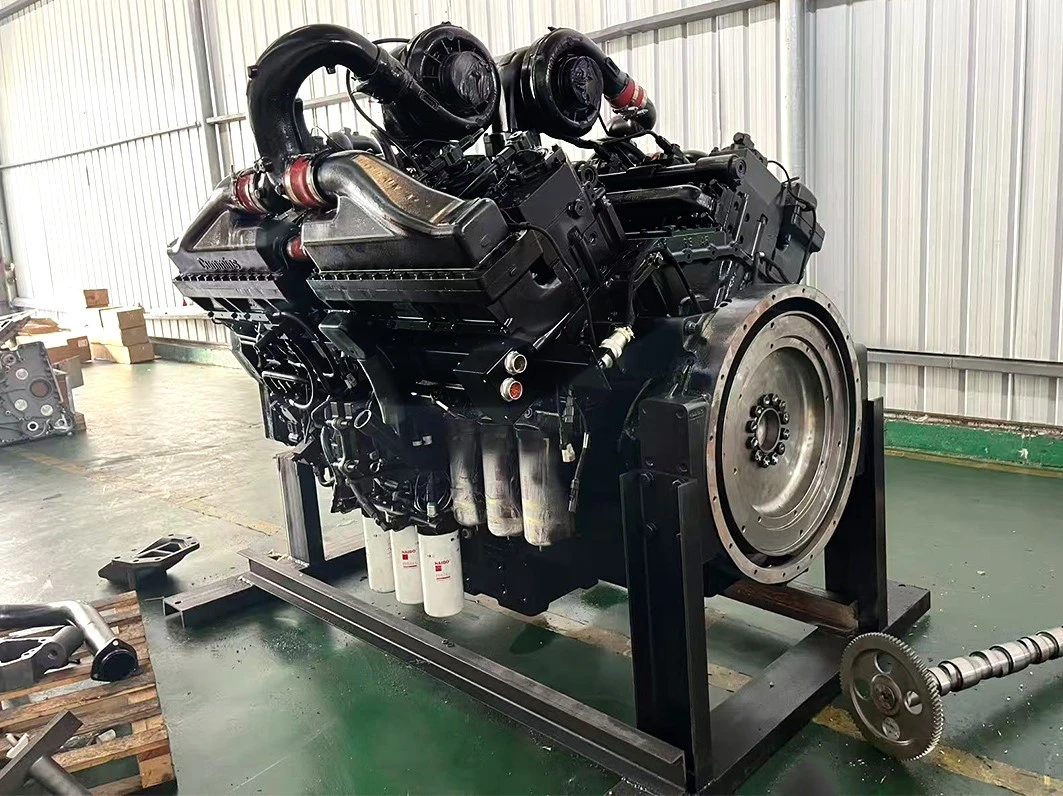
The company's business philosophy
People-oriented, quality first, sincere communication, honest management, and the spirit of continuous innovation, dare to challenge, self-reflection and self-revolution, provide customers with professional products and services.

Types of Diesel Engine Assembly
QSK60(60L V16)
Common ordering models
1. Power generation - G QSK60-G4, G10; Commonly used 1470-1630kW, backup 1620-1800kW
2. Mining Machine - C QSK60-C2500
3. Ship Machine - M QSK60-M2250
QSK50 (50.3L V16, replacing KTA50)
Common ordering models
1. Power generation - G QSK50-G4; Commonly used 1180-1320kW, backup 1300-1470kW
2. Mining Machine - C QSK50-C1800, C2000
3. Ship Machinery - M QSK50-M1600, M1800
QSK38 (38L V12, replacing KTA38)
Common ordering models
1. Power generation - G QSK38-G20, G28; Commonly used 920-1020kW, backup 1010-1130kW
2. Mining Machine - C QSK38-C1350
3. Ship Machinery - M QSK38-M1000, M1250
KTA50 (50.3L V16, mechanical PT)
Common ordering models
1. Power generation - G KTA50-G3, G8, G9, G12A; Commonly used 1100-1250kW, spare 1220-1380kW
2. Mining Machine - C KTA50-C1600, C1800
3. Ship Machinery - M KTA50-M1600, M1875
Main components of Cummins engine
01/
Engine Block: The Engine Block is made of plates and castings which are welded both vertically and horizontally to increase strength and lend more support to the engine cylinder liners, crankshafts, and heads.
02/
Bedplate: This is a metal plate that forms the foundation on which the diesel engine is built. The design and construction of the bedplate must be stable and durable enough to provide support to the engine and the crankshaft.
03/
Cylinder Liners:A type of bore where an engine piston moves back and forth and is made of material strong enough to handle high heat and tremendous pressure.
04/
Valves:These are located on the cylinder head and are responsible for the diesel engine's smooth functioning. It does this by regulating the flow of air fuel mixture inside the cylinder and by exhausting gas outside the cylinder.
05/
Valve Guides:A cylindrical-shaped piece of metal that conducts heat from the combustion process by processing it out of the exhaust valve and into the cylinder head.
06/
Piston: This diesel engine component compresses the air fuel mixture then converts fuel energy into mechanical energy. The power is then transmitted to the Crankshaft.
Application of Cummins QSK Electronic Control Series

QSK19 (19L straight 6, electronic control, replacing KTA19)
Power: 506-800HP (377-597kW)
Purpose
1. Generator set QSK19-G: 450-640kW, data center, industrial backup power supply
2. Non road mining machine QSK19-C: medium-sized mining trucks, large loaders, roller drills, mobile crushers
3. Ship engine QSK19-M: Offshore workboats, yachts, fishing boats, ship auxiliary equipment
4. Oil and gas equipment, large water pump units
Mainstream supporting facilities
Sany, XCMG, and Lingong medium-sized mining trucks; Mountain bulldozer with high horsepower; Internationally renowned drilling rig manufacturer; Imported/Domestic High end Generator Sets

QSK38 (38L V12, electronic control, replacing KTA38)
Power: 1000-1600HP (746-1193kW)
Purpose
1. Power generation QSK38-G: 900-1400kW high-end backup power supply, IDC data center, hospital, overseas power station
2. Heavy duty mining machine QSK38-C: 100-150 ton ore trucks, open-pit mining equipment, large loaders
3. Ship QSK38-M: IMO Tier II/III marine main engine, marine auxiliary ship, tugboat
4. Large fracturing equipment and large pumping stations
matching
Sany, XCMG, and Northern Heavy Industries' 100 ton mining trucks; Large scale mobile crushing station; High end silent generator sets both domestically and internationally; Marine vessels.
QSK50 (50L V16, electronic control, replacing KTA50)
Power: 1600-2500HP (1193-1864kW)
Purpose
1. Power generation QSK50-G: 1400-2200kW large-scale hub and island continuous main power supply
2. Super heavy mining QSK50-C: 180-240 ton large mining trucks and large electric shovels with auxiliary power
3. High power ship QSK50-M: ocean supply ship, high power tug, marine factory ship
4. Large scale drilling equipment on land
matching
Belas, Sany, XCMG 200 ton heavy-duty mining trucks; Offshore platform auxiliary equipment and high-power engineering vessels.

QSK60 (60L V16, Cummins flagship with high displacement, no corresponding traditional KTA model)
Power: 2250-3000HP (1678-2237kW)
Purpose
1. Generator set QSK60-G: 2000-2500kVA, suitable for ultra large data centers, large chemical plants, overseas large power stations, and continuous operation main power supply
2. Super large open-pit mining equipment QSK60-C: 240-360 tons top-level mining dump trucks and giant mining equipment
3. Ship QSK60-M: large offshore factory ship, ocean tug, platform supply ship (PSV)
Positioning: Currently, Cummins' high displacement non road flagship is mainly used in ultra large mines, high-power power stations, and high-end marine engineering.
auxiliary equipment
Extra large mining trucks such as Belas 75710 (450 ton class), Sany SR400, XCMG XDE400, etc
Maintenance Tips for Diesel Engine Assembly
Regular Oil Changes
Diesel engines require regular oil changes to prevent wear and tear of the engine components. Change the oil and oil filter at regular intervals as recommended by the manufacturer.
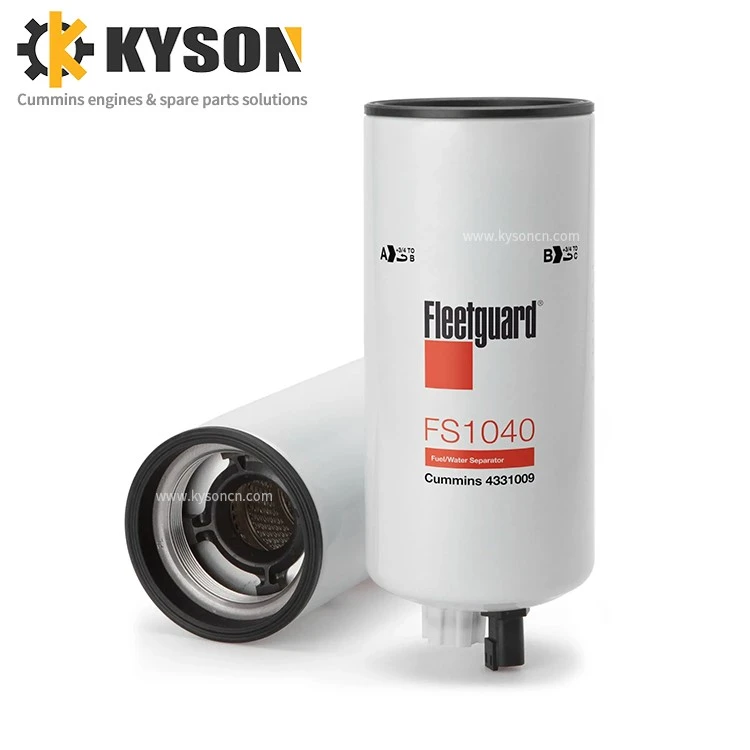
Fuel Filter Replacement
The fuel filter prevents debris from entering the diesel engine. A dirty or clogged fuel filter can affect the performance of the engine. Replace the fuel filter at regular intervals as per the manufacturer's recommendations.
Check for Leaks
Check for oil and fluid leaks and repair them immediately. Leaks can cause a loss of engine oil, coolant, or hydraulic fluid leading to engine damage.
Air Filter Replacement
Clean or replace the air filter as per manufacturer recommendations. A clogged air filter can restrict the air flow and reduce engine performance.
Battery Maintenance
Check battery voltage regularly and keep the battery clean. Replace the battery if it shows signs of deterioration or weakness.
Warm-up and Cool-down
Allow the engine to warm up before driving the vehicle. Also, allow the engine to cool down after driving before turning it off. This helps prevent engine damage and premature failure.
Certifications


Our Factory
We have sufficient inventory, short delivery time, reliable quality and favorable price, which is the professional backing for us to quote quickly and provide high-quality products. And long-term after-sales service is another advange of us.


FAQ
Chongqing Kyson Machinery Equipment Co., Ltd. is one of the most professional diesel & gas engine assembly manufacturers and suppliers in China, featured by good service and competitive price. Please rest assured to buy high quality diesel & gas engine assembly in stock here from our factory. Contact us for more details.
