
Many car owners have always been puzzled by a question: Since both gasoline vehicles and diesel vehicles are subject to the national VI emission standards, gasoline vehicles don't need to add urea even when they reach the end of their lifespan. However, diesel vehicles will have their warning lights come on and their torque and speed limits be restricted when urea is lacking.
The real cause lies in the fact that gasoline and diesel engines operate differently in terms of combustion, and the pollutants produced during combustion are quite different. The exhaust purification routes are also distinct.
Gasoline vehicles operate using spark plug ignition. The on-board computer precisely controls the fuel injection and air intake, maintaining the standard theoretical air-fuel ratio. The fuel and air are proportioned evenly, and the oxygen in the cylinder is basically completely consumed.
Under such combustion conditions, the harmful pollutants produced are relatively mild, containing only a small amount of carbon monoxide, hydrocarbons, and nitrogen oxides. The amount of nitrogen oxides generated is low, and the fine particulate matter produced during combustion is extremely minimal.
For vehicles meeting the National VI standard, only a three-way catalytic converter with GPF are equipped. The precious metals inside the three-way catalytic converter can convert all harmful substances at once. The entire reaction does not require any additional chemical reducing agents, and naturally, no urea needs to be added throughout the process. Daily maintenance only requires standard-grade gasoline to meet the requirements.
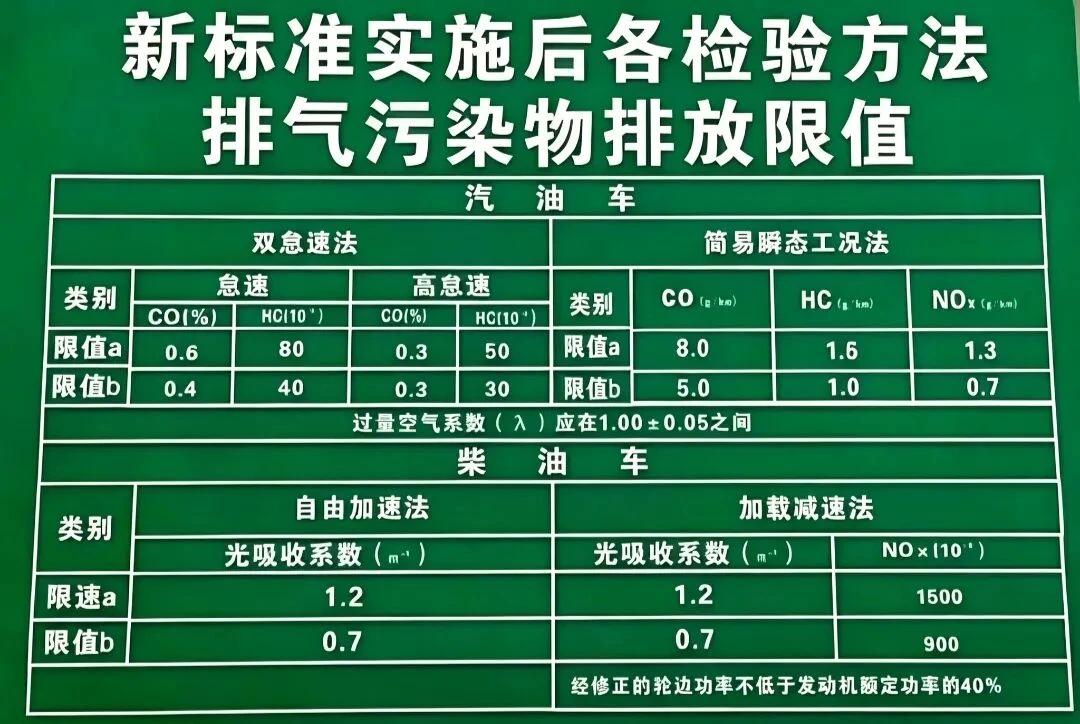
Diesel vehicles operate by compression ignition. To achieve high torque and low fuel consumption, they adopt a lean-burn mode, with the intake air volume being much greater than the fuel volume. The cylinder remains in an oxygen-rich and high-temperature environment for a long time, which directly leads to the generation of a large amount of nitrogen oxides. At the same time, incomplete diesel combustion will produce a large number of soot particles.
The key difficulty here is that when the exhaust gas contains excessive oxygen, the ordinary three-way catalyst will completely fail and be unable to handle high concentrations of nitrogen oxides. Simply relying on the catalyst support alone cannot meet the emission limits of the sixth generation standard.
For this sixth-generation diesel vehicle, a complete set of multi-stage after-treatment systems is equipped, including the DOC oxidation catalyst, DPF particulate capture device, SCR urea injection system, and ASC ammonia elimination catalyst, which are all indispensable.
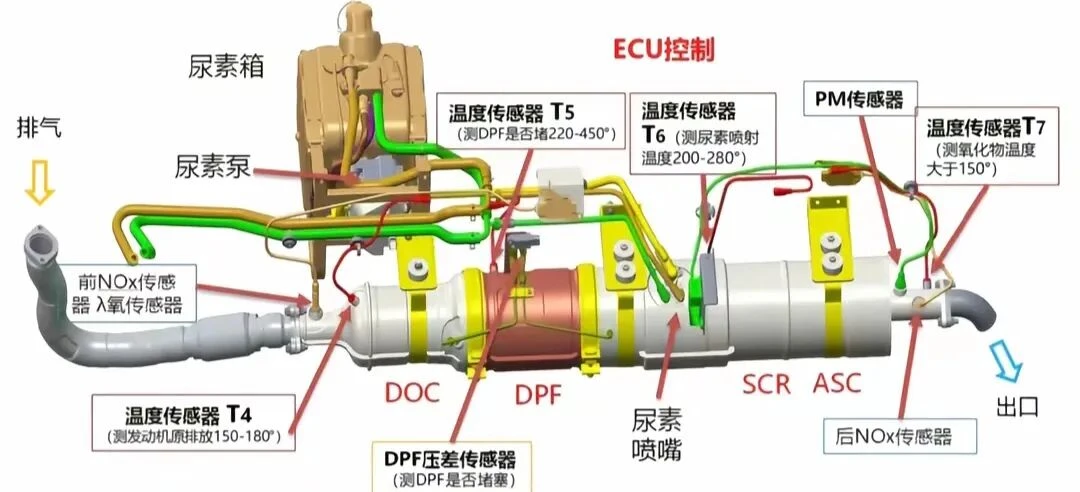
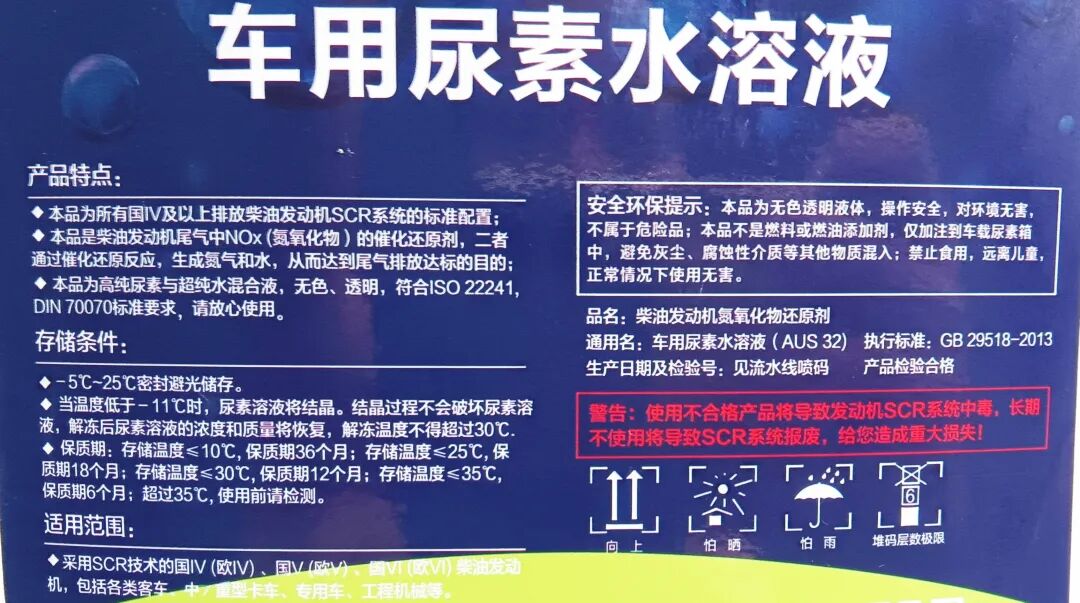
Among them, the SCR system is the core. The atomized urea decomposes at high temperatures to release ammonia gas. This ammonia gas reacts with nitrogen oxides in the exhaust gas to convert them into harmless nitrogen and water. Urea is an indispensable reducing agent in this reaction, and this is a mandatory technical requirement for diesel vehicles to add urea.
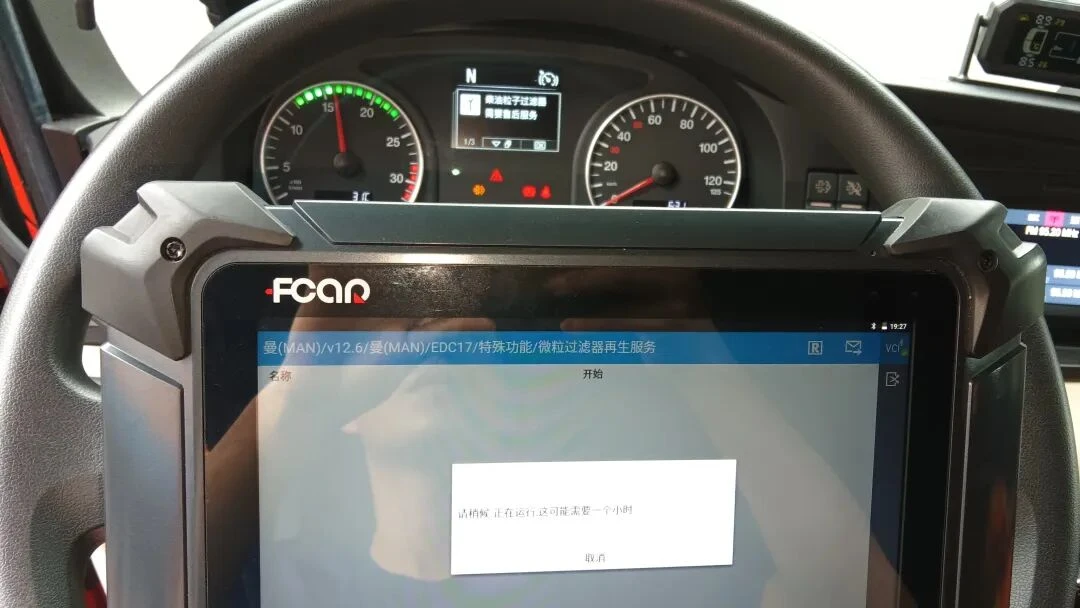
In addition, there is a significant difference in particulate pollutants between the two. The diesel soot accumulates at a faster rate, and the DPF requires frequent high-temperature regeneration and cleaning; while the gasoline particles are fewer, the GPF rarely gets clogged, making the maintenance much easier.
In the end, the differences in the combustion products of gasoline and diesel determine the variations in the exhaust purification schemes. Gasoline combustion is balanced, and the three-way catalytic converter can meet the emission requirements; for diesel engines, which operate under high-temperature and oxygen-rich conditions and have severe nitrogen oxide emissions, only urea can be used for auxiliary reduction. This is the fundamental logic behind the fact that while both comply with the national VI standards, gasoline vehicles do not require urea, while diesel vehicles cannot do without it.