
Diesel engines are widely used in modern ships. Currently, ships with diesel engines as the main engine account for over 98% of the total, and the total power of diesel-powered ships accounts for over 90% of the total ship-building power.
The normal starting of the diesel main engine to provide power for the ship is a necessary condition to ensure navigation safety.
The compressed-air starting method is widely used in medium-and large-sized diesel engines due to its large starting torque, rapid and smooth starting process, and wide applicability.
The diesel main engines of a twin-engine, single-propeller ship suddenly failed to start normally at the same time. This paper analyzes and troubleshoots this starting fault, hoping to provide inspiration and assistance to the maintenance and management personnel of diesel main engines.
I. Fault Phenomenon
When a ship was preparing to set sail, after the diesel main engine completed the pre-starting preparations, the crew pressed the "Start" button on the centralized control console, but the diesel engine did not rotate, and the starting failed.
The marine engineers then tried to start the engine from the local control console, but still failed.
To ensure the completion of the ship's mission, the marine engineers finally tried to manually open the main starting valve. They felt that it was more strenuous than usual, but the main engine finally started successfully and operated normally thereafter.
After the ship returned, the marine engineers attempted to find the cause of the starting fault. Through multiple starting tests, they summarized the following phenomena:
(1) When the "Start" button was pressed on the centralized control console and the local control console, the diesel engine failed to start.
(2) After pressing the "Start" button, the sound of the fuel cut-off valve switching could be heard.
(3) After several "blowing-through" operations, when the "Start" button on the centralized control console or the local control console was pressed, the diesel engine could start.
(4) The starting phenomena of the two diesel main engines were the same.
II. Starting Principle
The diesel main engine of this ship uses a compressed-air starting system, adopting a single-row intake and double-row firing starting method. Figure 1 shows the starting system diagram.
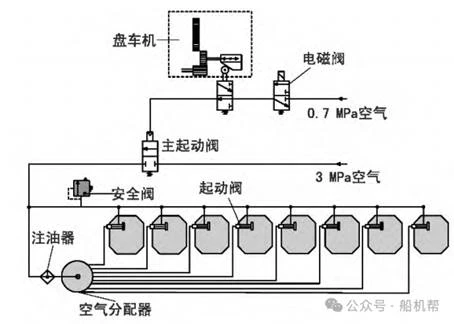
Figure 1: Starting System Diagram of a Diesel Engine
The pressure of the starting air is 1.2-3 MPa, and the pressure of the control air is 0.7 MPa. Both are filled into the starting air bottle and the control air bottle after being decompressed by a 4.7-MPa main compressed air bottle through a pressure-reducing valve.
When the diesel engine starts, the starting solenoid valve is energized. After the control air passes through the turning gear interlock valve, it is divided into two paths:
One path leads to the directional valve, closing the fuel cut-off valve and opening the fuel oil circuit.
The other path leads to the main starting valve, opening the main starting valve and opening the starting air circuit.
After passing through the main starting valve, the starting air is divided into three paths:
One path leads to the starting valve installed on the B-bank cylinders. After the cylinder starting valve opens, the air enters the cylinder.
One path leads to the air distributor, and then, according to the firing order of the diesel engine, it reaches the cylinder starting valves in sequence to open them.
Another path leads to the governor starting servo.
The starting air enters the B-bank cylinders in the firing order, pushing the pistons and driving the crankshaft to rotate. When the diesel engine speed reaches the starting speed 1, the governor receives the speed (throttle) setting signal, quickly increases the fuel supply to the starting throttle 1, and then adjusts the throttle according to the speed until the diesel engine enters a stable operation state. The relationship diagram between the starting speed and the throttle during the starting process is shown in Figure 2.
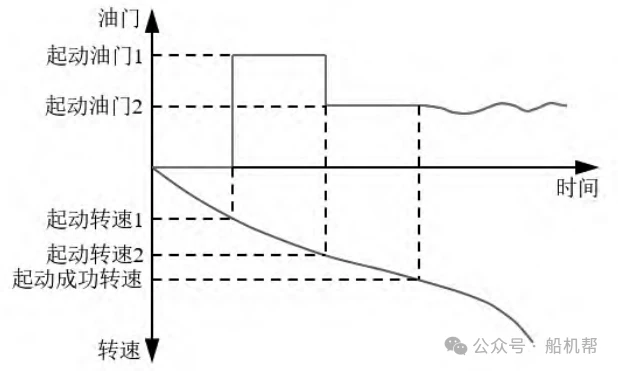
Figure 2: Relationship Diagram between Starting Speed and Throttle during the Starting Process
III. Analysis and Troubleshooting of the Fault Cause
According to the basic working principle and starting principle of the diesel engine, the starting process of this diesel engine mainly involves the fuel supply system, the intake and exhaust system, the speed control system, the monitoring and safety system, and the compressed-air system.
Following the fault analysis principle of "from easy to difficult, from the surface to the inside", and based on the phenomena summarized by the marine engineers during the starting tests, the scope of fault troubleshooting is narrowed.
1. Preliminary Analysis
The diesel engine failed to start through the control mode (pressing the "Start" button on the centralized control console or the local control console), but it could start by manually opening the main starting valve. Moreover, the diesel engine operated normally after successful starting, indicating that the cylinder starting valves, the fuel supply system, the intake and exhaust system, and the speed control system of the diesel engine were working normally.
It is worth noting that even if the diesel engine fails to start, when the fault phenomena such as the diesel engine not rotating or not reaching the starting speed 1 occur, the speed control system and the fuel supply system have not yet participated in the work, and faults in other systems should be considered first.
During starting, the fuel cut-off valve could switch normally, and the turning gear interlock valve in the monitoring and safety system did not light up, indicating that the starting solenoid valve and the turning gear interlock valve in the control air circuit were working normally, and the control air could reach the main starting valve.
Since the diesel engine could start by manually opening the main starting valve, it is considered that there may be a fault point in the main starting valve.
2. Troubleshooting of the Main Starting Valve
(1) Structure and Working Principle
The main starting valve of this diesel main engine is installed beside the crankcase, as shown in Figure 3, and its structure is shown in Figure 4. The main components include: the top block, the piston, the guide spring, the relief valve, the main spring, the main valve, the valve seat, and the valve body.
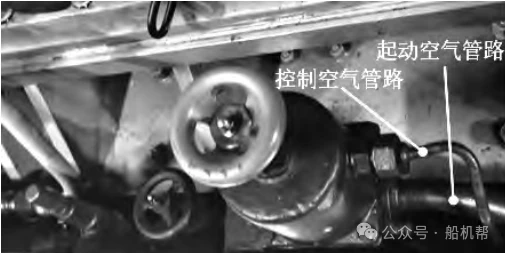
Figure 3: Main Starting Valve
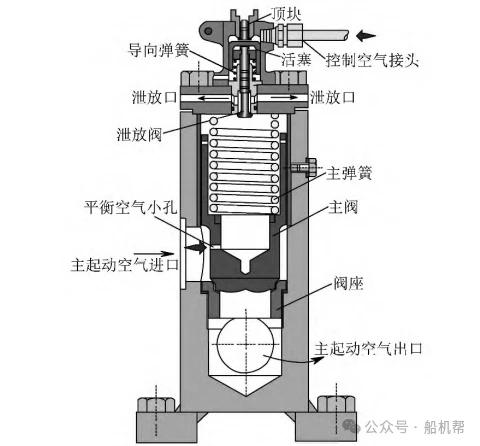
Figure 4: Structure of the Main Starting Valve
After the control air is connected, the piston drives the relief valve to move downward. The main starting air in the valve body is connected to the outside atmosphere through the relief port, and the pressure drops rapidly. As a result, the vertical pressure acting on the outer side of the main valve can overcome the resultant force of the vertical pressure acting on the inner side and the elastic force of the main spring, causing the main valve to lift upward, thus opening the main starting valve.
During this process, the force of the control air applied to the piston must be able to overcome the elastic force of the guide spring and the upward gas pressure acting on the relief valve. The force condition of the piston is shown in formula (2).
If the main starting valve is opened manually, the downward pressure applied to the top block by rotating the disc replaces the force of the control air, causing the relief valve to move downward.
F_piston, control air > F_relief valve, starting air + T_guide spring (2)
(2) Analysis of Potential Fault Causes
From the working principle of the main starting valve, it can be seen that the key to opening the main starting valve lies in the normal opening of the relief valve. Therefore, the analysis is carried out from the following three aspects based on formula (2):
1) Insufficient control air pressure, resulting in a small downward pressure applied to the piston.
Leakage points in the control air pipeline or blockage of the control air connector will cause the pressure of the control air entering the main starting valve to be low.
2) Increased resistance to the downward movement of the relief valve.
Poor lubrication between the relief valve and the guide bushing, or rusting of the relief valve or the guide bushing due to humid air, will cause the movement of the relief valve to be stuck, and in severe cases, it may even be completely jammed.
It is worth noting that if the starting air pressure is too high, the resistance to the downward movement of the relief valve will also increase significantly.
3) Difficulty in compressing the guide spring.
The guide spring is made of metal. Rusting due to humid air will cause the rust products to hinder the normal compression of the spring. Excessive cyclic compression may cause micro-cracks, increasing the force required for compression.
In addition, improper installation of the spring may cause interference with surrounding components, hindering the compression of the spring.
(3) Disassembly and Inspection
After external inspection and disassembly of the main starting valve to check the relief valve and the guide spring, the following were found:
1) The connections of the control air pipeline were normal without leakage, and the control air connector was not blocked.
2) The relief valve could move flexibly in the guide bushing, and the guide spring had no obvious rust and no obvious cracks on the surface.
3) The pressure of the control air bottle was normal, but the pressure of the main starting air bottle exceeded 3 MPa, as shown in Figure 5.
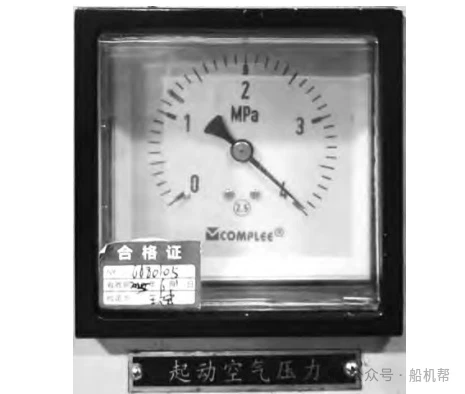
Figure 5: Starting Air Pressure Gauge
The high pressure of the main starting air is exactly the reason why the marine engineers felt strenuous when opening the main starting valve.
Since both the control air and the main starting air are obtained by decompressing the air from the main compressed air bottle with a pressure of 4.7 MPa through the pressure-reducing valve, the fault point is basically locked as the pressure-reducing valve.
3. Troubleshooting of the Pressure-Reducing Valve
(1) Structure and Working Principle
The model of the pressure-reducing valve is Q/HFJM-20A. The physical object is shown in Figure 6, and it is divided into a pilot valve and a main pressure-reducing valve. The internal structure is shown in Figure 7.
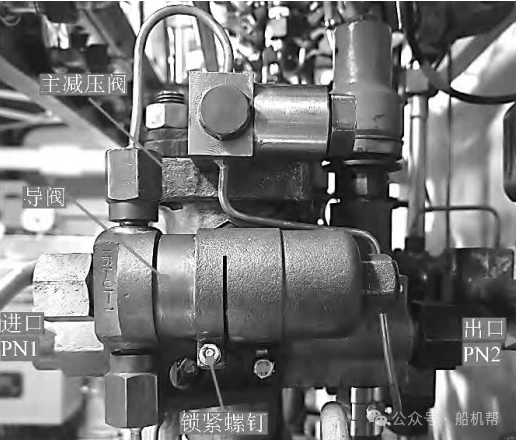
Figure 6: Q/HFJM-20A Pressure-Reducing Valve
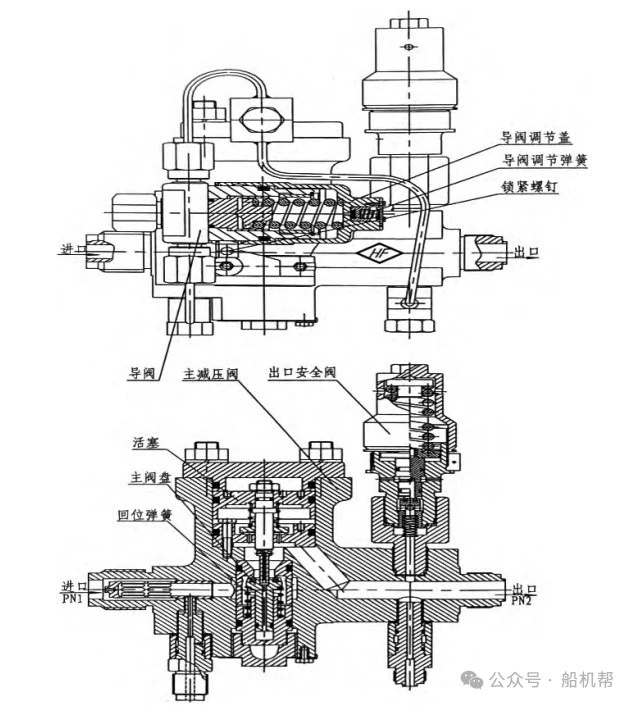
Figure 7: Internal Structure of the Q/HFJM-20A Pilot Valve (Upper) and Main Valve (Lower)
The pilot valve is mainly composed of an adjusting cover, an adjusting spring, and an adjusting screw. The main components of the main pressure-reducing valve include: a piston, a main valve disc, and a return spring.
When the adjusting cover of the pilot valve is in the initial position, the adjusting spring of the pilot valve is not under pressure, the pilot valve is not opened, the pressures in the upper and lower chambers of the piston in the main pressure-reducing valve are balanced, and the main valve disc closes the main valve passage under the pressure of the return spring.
When the adjusting cover of the pilot valve is rotated clockwise, the adjusting spring is compressed and opens the pilot valve disc. The pressurized air output by the pilot valve enters the upper chamber of the piston. The piston is subjected to a vertical downward pressure, overcomes the elastic force of the return spring, and moves downward. At the same time, the push rod moves downward to open the main valve disc. Then, the high-pressure air source PN1 enters the output chamber, generating the output pressure PN2.
At the same time, the pressurized air in the output chamber enters the lower chamber of the piston, acting on the lower part of the piston to offset the pressure on the upper part of the piston. The opening of the main valve disc decreases until it reaches a balance.
(2) Analysis of Potential Fault Causes
From the working principle of this pressure-reducing valve, it can be seen that the output pressure depends on the opening of the main valve disc. The larger the opening, the higher the output pressure.
The pilot valve plays a control role, and the main pressure-reducing valve has a self-compensating feedback function. Therefore, the analysis is carried out from the following two aspects:
1) Abnormal setting value of the pilot valve.
If the adjusting cover of the pilot valve is accidentally tightened, increasing the pre-compression of the adjusting spring, or if the adjusting spring is aged or deformed, the output pressure of the pilot valve will increase, thus affecting the output pressure of the main valve.
2) Abnormal action of the main valve.
Problems such as a decrease in the elastic modulus of the return spring, the piston getting stuck after moving downward, damage to the sealing surface between the main valve disc and the valve seat, or blockage of the pressure-guiding hole in the lower chamber of the piston will all cause the opening of the main valve disc to be larger than the original equilibrium position.
(3) Fault Troubleshooting
The pilot valve and the main valve of the pressure-reducing valve were disassembled. The adjusting spring and the return spring were visually inspected and their elastic forces were tested. At the same time, the flexibility of the piston movement and the sealing surface of the main valve disc were carefully checked. It was found that the adjusting spring of the pilot valve was aged.
After replacing the adjusting spring, the adjusting cover of the pilot valve was adjusted to make the output pressure 3 MPa. The diesel engine was tested for starting again at the local and centralized control consoles, and the diesel engine could start normally.
The marine engineers found during the starting tests that the diesel engine could be started through the control mode after several "blowing-through" operations. In fact, this is because the "blowing-through" operations consumed the compressed air. After the pressure of the main starting air decreased, the control air could open the main starting valve again.
IV. Conclusion
This paper conducts a detailed analysis and troubleshooting of the abnormal starting of a ship's diesel main engine. The results show that the aging of the adjusting spring of the pilot valve of the pressure-reducing valve in the compressed-air system, which causes the pressure of the main starting air to be too high, is the cause of the fault.
Three suggestions are put forward to the marine management personnel:
First, improve the standardization of daily maintenance and strictly maintain and service each component and system according to the technical manuals and instructions.
Second, strengthen the learning and understanding of the internal structures and specific working principles of the main components, which will help to quickly determine the fault location.
Third, do not only focus on the main engine but also pay attention to the influence of the auxiliary systems on the reliability of the machine.