
The exhaust color of diesel engines is an important light for judging their operating status. Different colors of smoke (blue smoke, white smoke, black smoke) often correspond to different types of faults and can even directly point to the root cause of the problem. Mastering these color codes can help drivers and maintenance personnel quickly identify faults and avoid significant losses caused by the accumulation of minor issues.
1, Blue Smoke: Warning Phenomenon of Engine Oil Combustion.Blue smoke is emitted from the exhaust pipe during cold start or rapid acceleration, accompanied by a pungent burnt smell, and abnormal increase in engine oil consumption.
Common reasons and solutions:
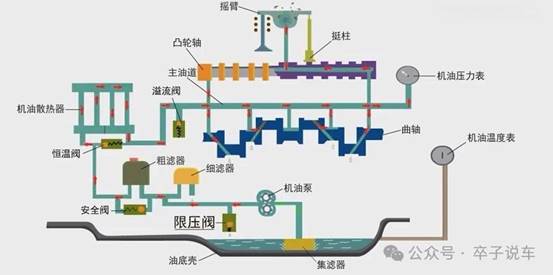
1. Excessive engine oil or high pressure
Symptoms: Excessive oil in the oil pan (exceeding the upper limit of the dipstick), increased crankshaft oil spillage, causing oil to enter the combustion chamber. Solution: After parking for 15 minutes, drain excess oil to the calibration mark, check if the oil pressure is too high, and adjust it to the standard value.
2. Abnormal piston ring
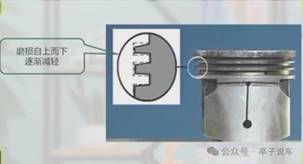
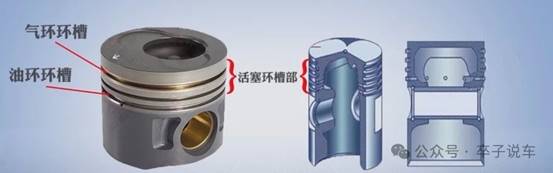
Key issues: The piston ring is stuck, worn, lacks elasticity, or has a reverse chamfer, making it difficult to effectively scrape off the oil on the cylinder wall. Solution: Disassemble and inspect the condition of the piston rings, replace worn or stuck piston rings, and ensure correct installation direction.
3. The clearance between the cylinder and piston is too large
Symptoms: Long term low load operation or component aging leading to clearance exceeding the limit and oil leakage. Solution: Measure the clearance between the cylinder liner and piston. If it is out of roundness or severely worn, it is necessary to bore the cylinder or replace the cylinder liner components.
4. Valve guide wear
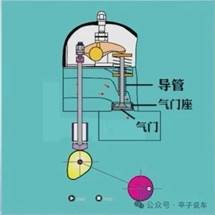
Mechanism: The clearance between the valve guide and the valve stem is too large, causing oil to flow into the combustion chamber along the valve stem. Solution: Replace the valve guide and check the valve sealing.
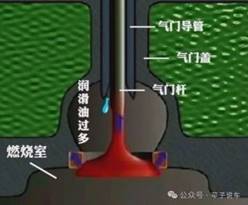
5. Air filter blockage (wet filter) Special scenario: Excessive oil or clogged filter element in the wet air filter leads to increased intake resistance and abnormal increase in crankcase pressure. Solution: Clean or replace the filter element to avoid overfilling the filter oil.
2, White smoke: Signal phenomenon of unburned fuel and water.The exhaust pipe continuously emits white smoke, similar to water vapor, which is particularly evident during cold start. Common reasons and solutions:
1. Low temperature cold start
Normal phenomenon: Poor diesel atomization during cold start in winter, some unburned diesel is discharged with exhaust gas, and white smoke disappears after the temperature rises, without the need for treatment.
2. Water in fuel or condensation in fuel tank
Risk: Diesel fuel mixed with water (poor quality fuel or condensed water in the fuel tank) can cause incomplete combustion. Solution: Regularly clean the fuel tank, use an oil-water separator, and choose anti condensation diesel in cold areas.
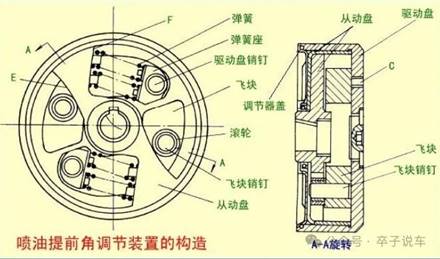
3. The fuel supply advance angle is too small
Impact: Fuel injection is too late, and diesel is not fully atomized before being discharged. Solution: Use professional tools to adjust the fuel supply advance angle to the manufacturer's calibration value.
4. Coolant seeps into the combustion chamber
Main culprits: cylinder gasket damage, cylinder head/liner cracks, coolant entering the cylinder evaporating into white smoke. Solution: Check the flatness of the cylinder head and replace damaged cylinder gaskets or liners.


5. Fuel injector malfunction
Typical problems: Needle valve wear, nozzle deformation or delayed oil dripping, resulting in poor fuel atomization. Solution: Disassemble and inspect the fuel injector, repair or replace worn parts.

3, Black smoke: Insufficient combustion of 'carbon pollution'
Phenomenon: Thick black smoke is emitted from the exhaust pipe, accompanied by a decrease in power and an increase in fuel consumption, commonly seen in high load conditions. Common reasons and solutions:
1. Insufficient intake
Causes: dirty and clogged air filter, carbon buildup in turbocharger compressor, or clogged intercooler. Solution: Clean or replace the air filter, clean the turbocharger and intercooler.
2. Abnormal fuel injection system
Key malfunction: Poor atomization of fuel injector, fuel enters the combustion chamber in liquid form; The fuel supply advance angle is too small, causing secondary combustion of fuel in the exhaust pipe. Solution: Calibrate fuel injection pressure, adjust fuel supply timing, and repair fuel injectors.

3. Overloaded operation
Consequence: The combustion chamber temperature is too high, and the fuel splits into carbon particles. Solution: Avoid long-term overload operation and control the throttle reasonably.
4. The bearing shell is burnt out
Extreme situation: The crankshaft has difficulty rotating, the engine emits black smoke and shuts down on its own. Solution: Immediately stop the machine for maintenance, replace the eroded bearing, and inspect the lubrication system.
4, Other abnormal phenomena assist in diagnosis
The abnormal noise of excessive valve clearance and the dull knocking sound of worn bearing shells may be accompanied by abnormal smoke exhaust. Sudden drop in power and black smoke emission and insufficient power are mostly caused by intake or fuel injection faults; Blue smoke and decreased power are often caused by cylinder seal failure.
5, Prevention and maintenance recommendations
Regular maintenance: replace engine oil and filter, check valve clearance and fuel supply timing. Use low ash engine oil (such as CK-4 grade) to reduce piston ring carbon buildup.
Standardized operation:
Preheat for 1-2 minutes after cold start, avoiding sudden acceleration. The running in period strictly follows the requirements of low load and medium speed operation.
Environmental adaptation: Shorten the air filter replacement cycle in high dust environments; Install preheating devices in cold regions.
The "observation of speech and color" of diesel engines is a practical technology that can quickly locate more than 80% of common faults by observing the color of exhaust smoke, combining abnormal noise and power changes. Timely handling of minor issues can not only prolong engine life, but also avoid the huge maintenance costs caused by the expansion of faults. Remember: Blue smoke looks for engine oil, white smoke looks for cooling, and black smoke looks for combustion. Only with proper maintenance can smoke dissipate and clouds disperse!