
After the vehicle starts, the engine emits a rhythmic "clack clack" sound similar to metal tapping, which accelerates rhythmically with the increase of engine speed. Under normal circumstances, the engine does not make this kind of noise for a long time. Most of them make a noise for a short period of time after a cold start, and then gradually disappear. This is called valve noise.
What is the cause of valve noise?
The main reason for valve noise is due to the clearance between the engine valve mechanisms, which is mostly caused by component wear or clearance adjustment failures, such as camshaft, rocker arm, and hydraulic top pillar wear.
Most engines now use hydraulic top pillars, which are mainly used to automatically adjust the clearance caused by valve mechanism wear. The automatic adjustment function of hydraulic top pillars is achieved through oil pressure. When the parts are excessively worn and exceed the limit of automatic adjustment, valve noise will occur. The malfunction of hydraulic top pillar and the failure of automatic adjustment function can also cause valve noise.
Excessive valve clearance not only produces noise during start-up (more pronounced when the car is cold), but also has other drawbacks. For example, adverse phenomena such as insufficient valve lift, inadequate intake, incomplete exhaust, decreased engine power, and high fuel consumption.
Due to the differences in each vehicle model, the requirements for valve clearance also vary. Generally, the normal clearance for the intake valve is between 15-20 threads, and the normal clearance for the exhaust valve is between 25-35 threads.
What is the relationship between valve noise and engine oil?
Due to the fact that the automatic clearance adjustment function of the hydraulic top pillar relies on oil pressure, the valve sound is directly related to the oil. Of course, the premise is that the engine has not worn out.
1. Low oil pressure or insufficient oil quantity
Low oil pressure and inadequate lubrication of the valve chamber area; Insufficient engine oil or clearance between hydraulic top pillars when air enters the oil passage can cause valve noise.
2.During maintenance, air enters the oil passage
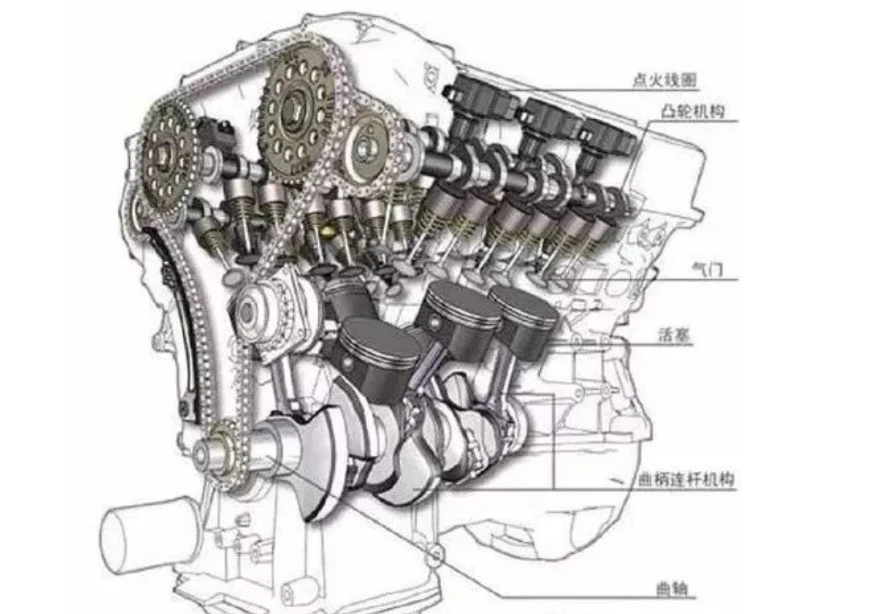
Many people have had the experience of experiencing a brief valve noise when starting the engine the next day after completing maintenance. In fact, this situation is quite normal because during the oil discharge process, the oil in the oil passage is drained, and air may enter the oil passage, causing valve noise. After running for a period of time, the air will be discharged and the valve noise will disappear.
3. There is a significant amount of carbon buildup in the engine
After using the engine for a period of time, carbon deposits will form inside. When the carbon deposits reach a certain level, they may block the oil passage, causing the hydraulic top pillar to automatically adjust the clearance function to fail, resulting in valve noise.
How to avoid valve noise?
Avoiding valve noise is actually very simple. Car owners only need to follow the manufacturer's requirements for regular maintenance to prevent engine wear and effectively reduce the occurrence of such situations. Another very important thing is to choose the appropriate engine grade and viscosity for your car, and not blindly pursue high-end and low viscosity engine oil.